6 min
6 min  0
0 


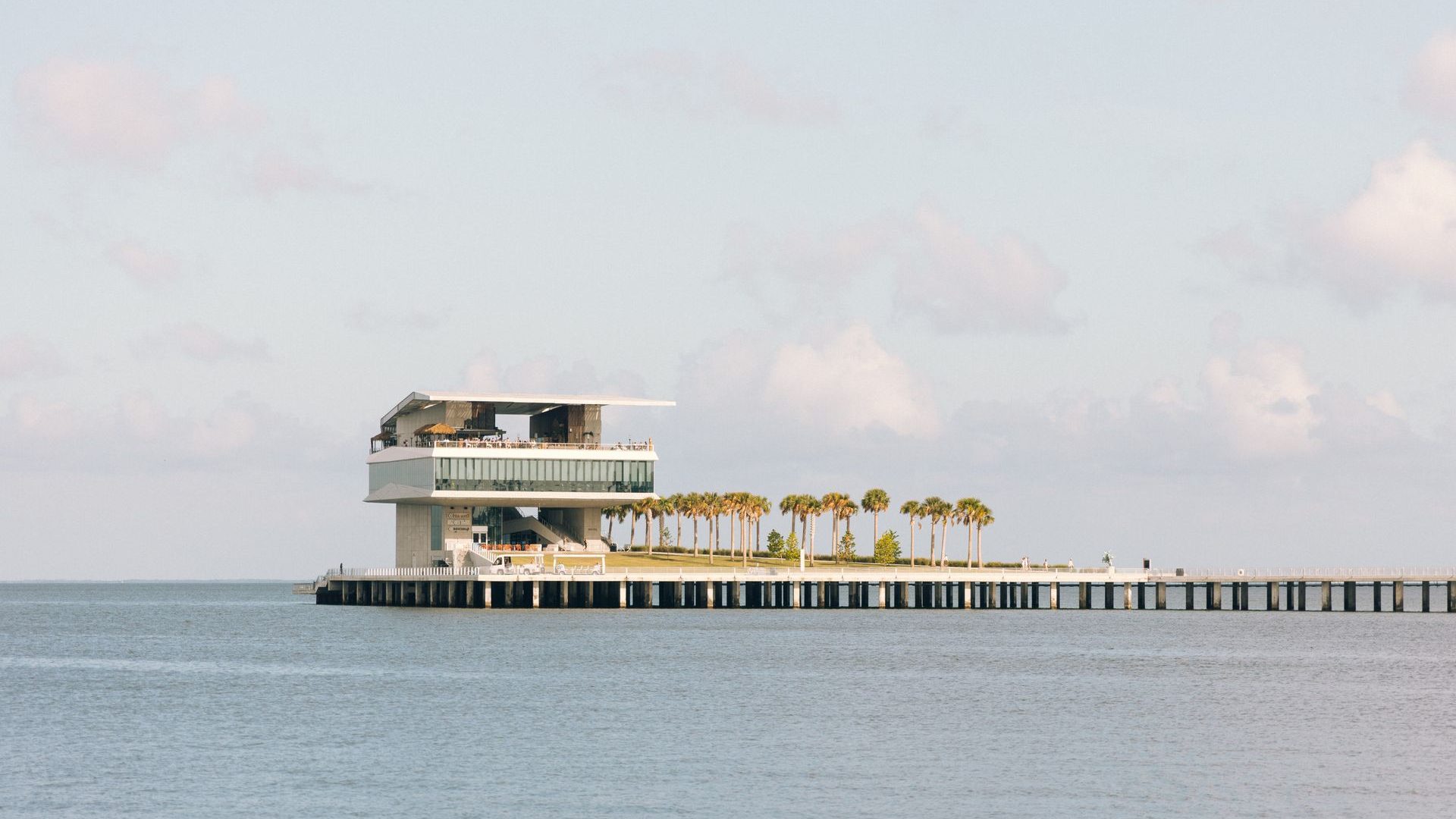
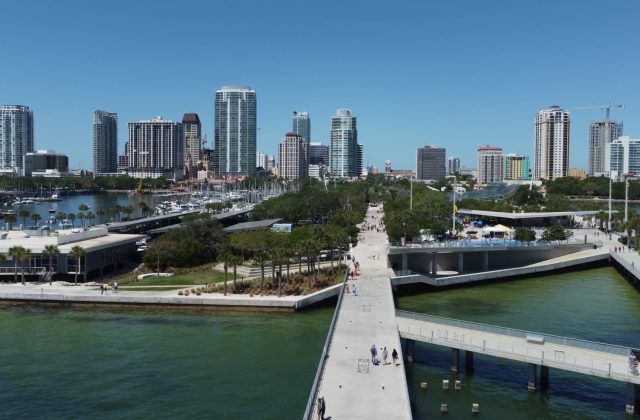
St. Petersburg has gone from a quiet retirement town to one of Florida’s most energetic small cities: a walkable downtown full of restaurants and galleries, a new Pier, waterfront parks along almost the entire bayfront, and the Gulf beaches 20 minutes away. If you are thinking about moving here, the most important decision is not whether to choose St. Pete — it is which part of it. This guide walks through the neighborhoods I show most often, what each one feels like, and the practical things newcomers need to know.
St. Petersburg at a glance
- Location: the southern tip of the Pinellas peninsula, between Tampa Bay and the Gulf of Mexico. About 30–40 minutes to Tampa International Airport (TPA); St. Pete–Clearwater International (PIE) is closer for some routes.
- Climate: warm winters, hot and humid summers. Hurricane season runs June 1 to November 30.
- Taxes: Florida has no state personal income tax. If the home is your permanent residence, you can apply for the homestead exemption (up to $50,000 off the assessed value) by March 1 of the following year, and the “Save Our Homes” rule caps annual increases in the assessed value of a homestead.
- Prices: in August 2026 the median single-family sale price in Pinellas County was $464,950 and the median condo $275,000 (Stellar MLS) — more on that in our 2026 market update.
Neighborhoods to know
Downtown St. Petersburg — high-rise and walkable
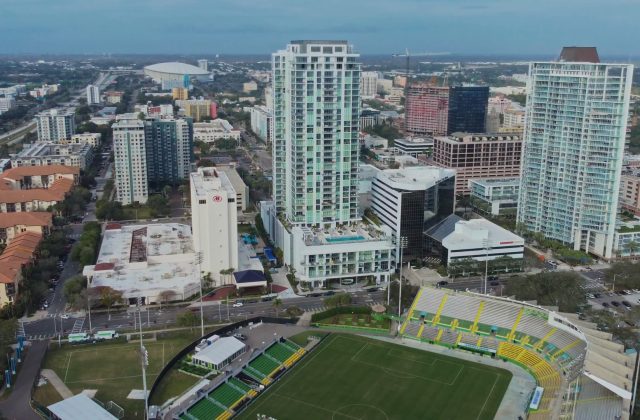
For people who want to walk to dinner, the waterfront parks, the Pier, museums and the Saturday Morning Market. Housing is mainly condos: historic mid-rises, newer towers, and a growing number of luxury residences with full-service amenities. Expect HOA fees that reflect those amenities — and review each building’s reserves and inspections carefully (see our condo guide).
Old Northeast — historic charm by the water
Brick streets, 1920s bungalows and Mediterranean Revival homes, tree-lined avenues and a short walk or bike ride to downtown and the waterfront parks. One of the most sought-after neighborhoods in the city. Parts of it are low-lying, so check the flood zone and elevation of each home.
Snell Isle and Shore Acres — waterfront living
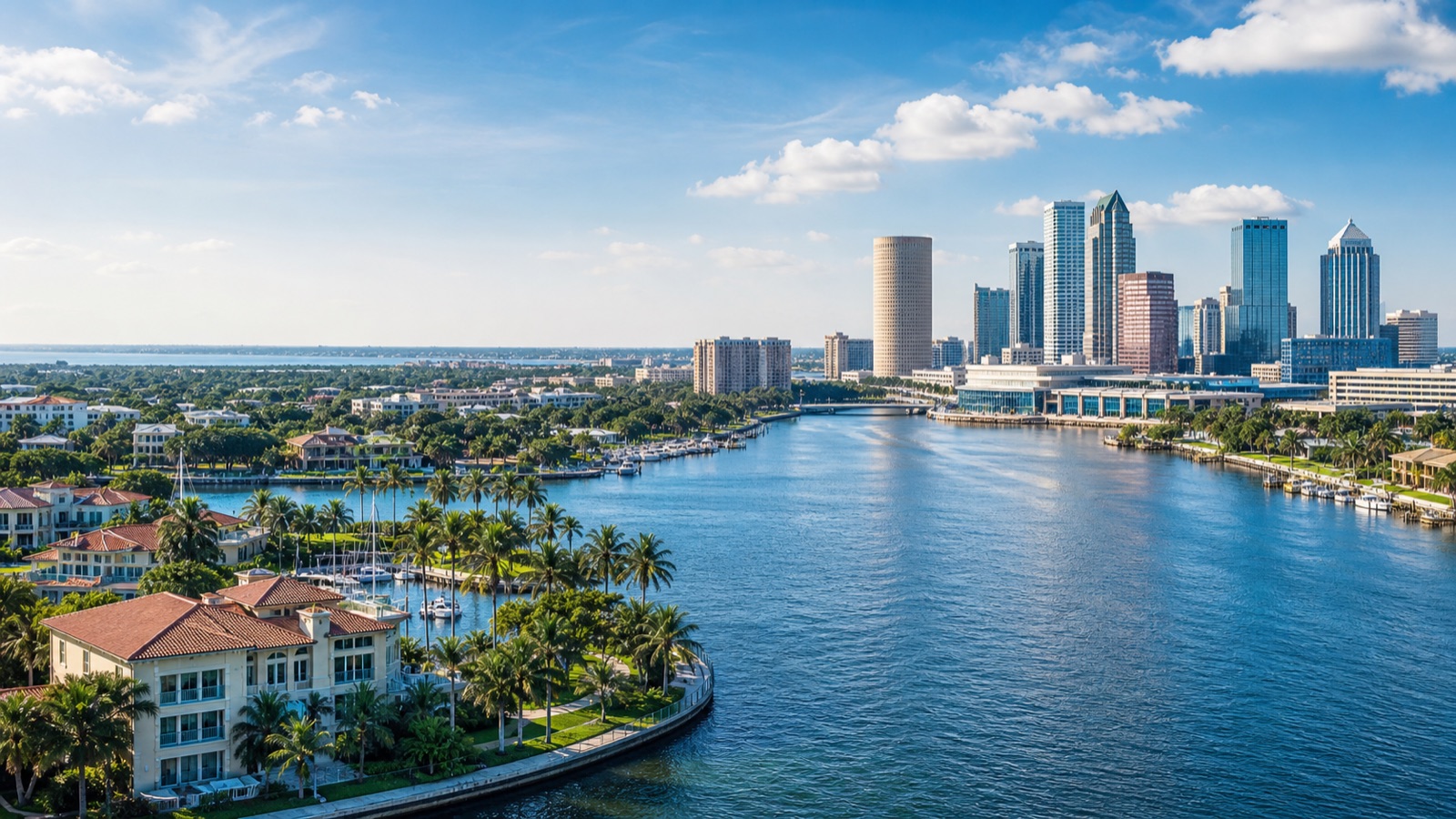
Waterfront homes with docks and boat access, from classic ranch houses to new elevated construction. These areas were among the hardest hit by Helene’s surge in 2024, so the right home here is usually an elevated or rebuilt one — read our flood zone and insurance guide before you shop.
Kenwood and Crescent Lake — character homes, central location
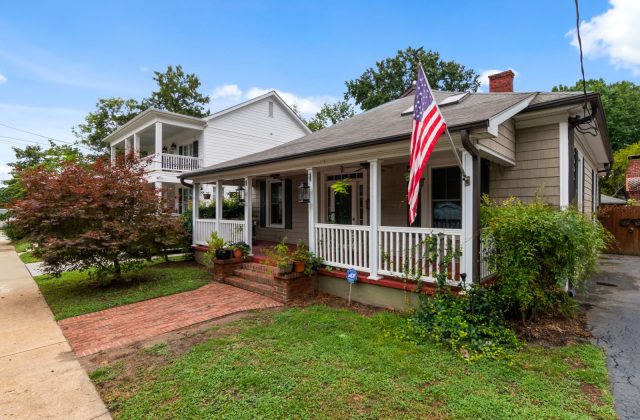
Craftsman bungalows, an active arts community and easy access to downtown and the Grand Central District’s restaurants and shops. Popular with first-time buyers and people who want an older home with character on a city lot. Many streets sit on comparatively higher ground than the waterfront neighborhoods — but always verify the specific address.
Coquina Key and Pinellas Point — south St. Pete by the water
Quieter neighborhoods in the south of the city with water views, parks and more approachable prices. Coquina Key is home to large condo communities such as Waterside at Coquina Key, where I live, as well as single-family homes along the canals. Good value for buyers who want to be near the water without downtown prices.
Gulfport and the beaches — small-town and island life
Just west of St. Pete, Gulfport has a laid-back, artsy waterfront village feel. Further west, St. Pete Beach, Treasure Island and Tierra Verde offer Gulf beach living. Beach and barrier-island properties carry the highest flood and wind exposure, so insurance planning is essential.
How to choose: four questions I ask every relocating client
- Walkable or quiet? Downtown and the historic neighborhoods around it are for people who want to be in the middle of things; south St. Pete, Gulfport and the suburbs are calmer.
- House or condo? A condo trades maintenance for HOA fees and association rules (including rental restrictions); a house gives you more control and more insurance responsibility.
- How close to the water? Waterfront is the dream for many, but elevation, flood zone and insurance should decide which waterfront home.
- Where will you commute or fly? If you will work in Tampa, the bridges and I-275 matter; if you travel often, check flight options from both TPA and PIE.
Practical checklist for newcomers
- Get a Florida driver’s license within 30 days of becoming a resident, and register your vehicle.
- Apply for the homestead exemption with the Pinellas County Property Appraiser by March 1 after you buy your primary home.
- Get insurance quotes (wind and flood) before you choose a home, not after.
- Make a hurricane plan: know your evacuation zone, keep documents and supplies ready.
- Schools: Pinellas County Schools offers neighborhood schools plus magnet, fundamental and career academy programs with application deadlines — check the district’s calendar early if you have children.
Relocating from abroad?
Many of my clients move to Tampa Bay from other countries. If that is you, read can foreigners buy property in Florida — it explains financing, taxes and Florida’s 2023 law on buyers from certain countries.
Frequently asked questions
What is the best neighborhood in St. Petersburg, FL?
It depends on your priorities. Downtown and Old Northeast are best for walkability, Snell Isle and Shore Acres for waterfront homes, Kenwood and Crescent Lake for character homes on higher ground, and Coquina Key and Pinellas Point for value near the water.
Is St. Petersburg, FL a good place to live?
For people who want a warm climate, an active downtown, waterfront parks and beaches nearby, yes. The trade-offs are summer heat, hurricane season and higher insurance costs, which should be part of your budget.
How much do I need to buy a home in St. Petersburg?
The median condo sold for about $275,000 and the median single-family home for about $465,000 in Pinellas County in August 2026, but prices range widely by neighborhood, size and distance to the water.
Moving to St. Pete? Let’s plan it together
I help families and professionals relocate to Tampa Bay from other states and other countries, in English, Russian or Ukrainian. Book a free consultation and explore our neighborhood pages.