4 min
4 min  0
0 


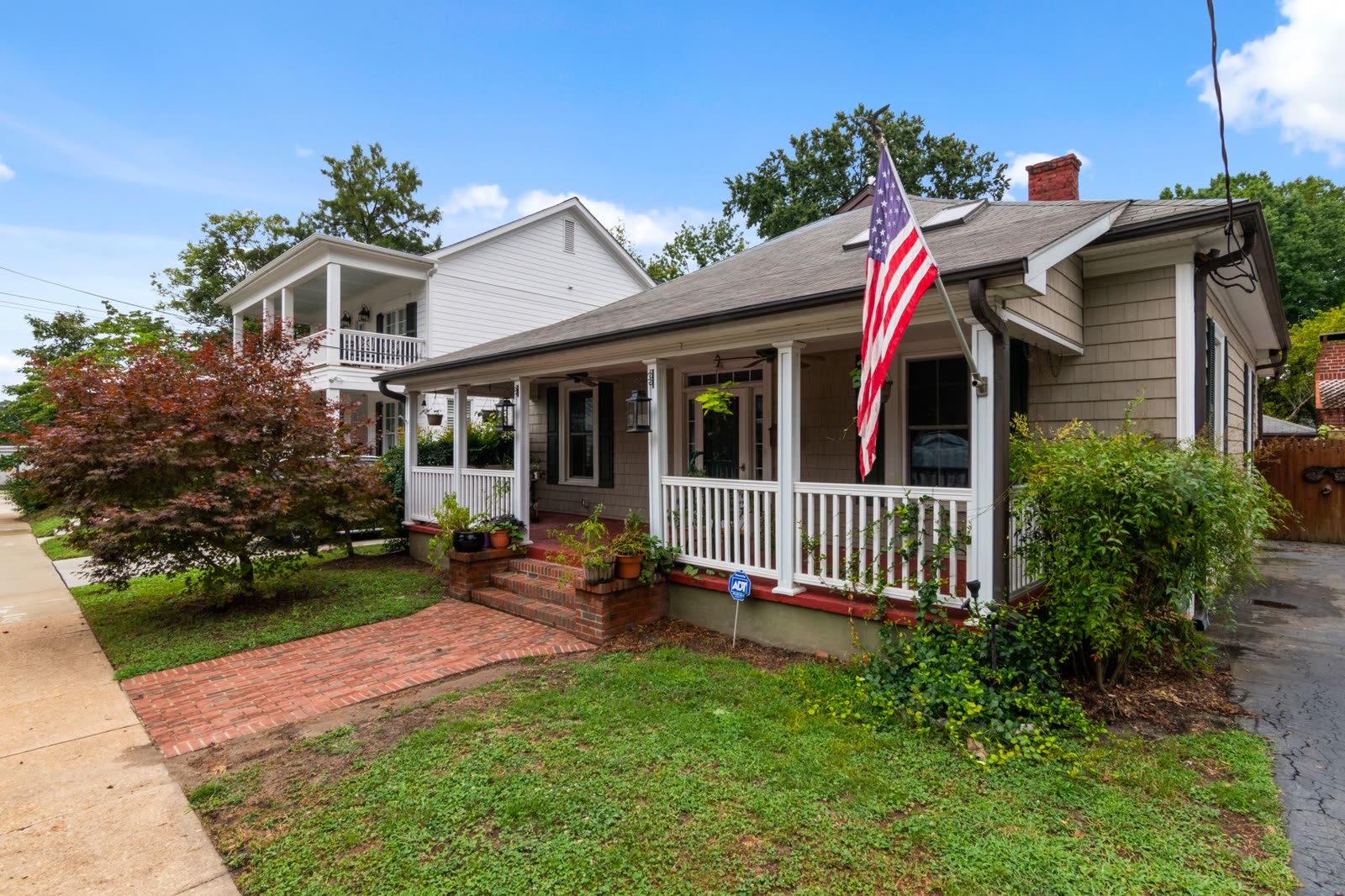
If you bought a home in St. Petersburg or anywhere in Pinellas County and live in it as your permanent residence, the Florida homestead exemption is one of the most valuable things you can do for your budget. It reduces your taxable value every year and, just as important, caps how fast your assessed value can rise. Here is how it works, who qualifies, and how to apply before the deadline.
General information, not tax or legal advice. The Pinellas County Property Appraiser is the official source for current amounts and requirements.
What the homestead exemption gives you
- Up to $50,000 off your assessed value. The first $25,000 applies to all property taxes, including school taxes. The second $25,000 applies to the assessed value between $50,000 and $75,000 and excludes school taxes. Since a 2024 constitutional amendment, that second portion is adjusted for inflation each year (it was $25,722 for 2025).
- The “Save Our Homes” cap. Once your home has homestead status, its assessed value can rise by no more than 3% or the change in the Consumer Price Index per year, whichever is lower — even when market values jump. Over time this can save homeowners thousands of dollars a year.
- Portability. If you sell one Florida homestead and buy another, you can usually transfer up to $500,000 of your accumulated Save Our Homes benefit to the new home, if you apply within the time allowed.
- Additional exemptions may apply for seniors with limited income, people with disabilities, veterans, surviving spouses and first responders.
Who qualifies
- You own the property (individually, jointly or in certain trusts).
- You live in it as your permanent residence on January 1 of the tax year.
- You are a U.S. citizen or have permanent legal residency (green card) — certain other immigration statuses may also qualify; ask the Property Appraiser.
- You do not claim a residency-based exemption on another property anywhere.
The deadline: March 1
Apply by March 1 of the year after you buy. For example, if you close on your home in October 2026 and live there on January 1, 2027, file by March 1, 2027. Late applications require a separate form explaining extenuating circumstances, so don’t wait.
How to apply in Pinellas County
- Update your documents to the new address: Florida driver’s license or ID, vehicle registration and voter registration (if you vote).
- Gather: Social Security numbers for owners and spouses living in the home, and immigration documents if you are not a U.S. citizen.
- File online through the Pinellas County Property Appraiser website (the e-file portal is the fastest), or in person at one of the appraiser’s offices.
- Apply for portability at the same time if you are moving from another Florida homestead.
- Watch for your TRIM notice in August, which shows your exemption and estimated taxes.
Common mistakes
- Waiting for the tax bill. The exemption is not automatic — you must apply once; it then renews each year as long as you qualify.
- Renting the home out. Renting your homestead can affect your exemption; check the rules before you list it for rent.
- Keeping an exemption elsewhere. You cannot hold a residency-based exemption in another state or county at the same time.
- Forgetting the cap resets. When you buy, the assessed value resets to market value — budget for a higher tax bill than the seller paid. See Florida closing costs for how taxes are prorated.
Frequently asked questions
When is the homestead exemption deadline in Pinellas County?
March 1 of the year after you purchase and occupy the home as your permanent residence on January 1.
How much does the homestead exemption save in St. Petersburg?
It depends on your millage rate and home value. The up-to-$50,000 reduction typically saves several hundred dollars a year, and the Save Our Homes cap can save much more over time as market values rise. Your TRIM notice shows the exact effect on your home.
Can I get a homestead exemption on a condo?
Yes. A condo you own and live in as your permanent residence qualifies the same way as a house.
Do I lose my Save Our Homes savings when I move?
Not necessarily. Portability lets you transfer up to $500,000 of the benefit to a new Florida homestead if you apply in time.
Buying your Florida home?
Factoring taxes, insurance and the homestead reset into your budget before you make an offer avoids surprises later. Book a free consultation and I’ll help you run the numbers for a specific home — in English, Russian or Ukrainian. New to the area? Start with our guide to moving to St. Petersburg.