7 min
 0



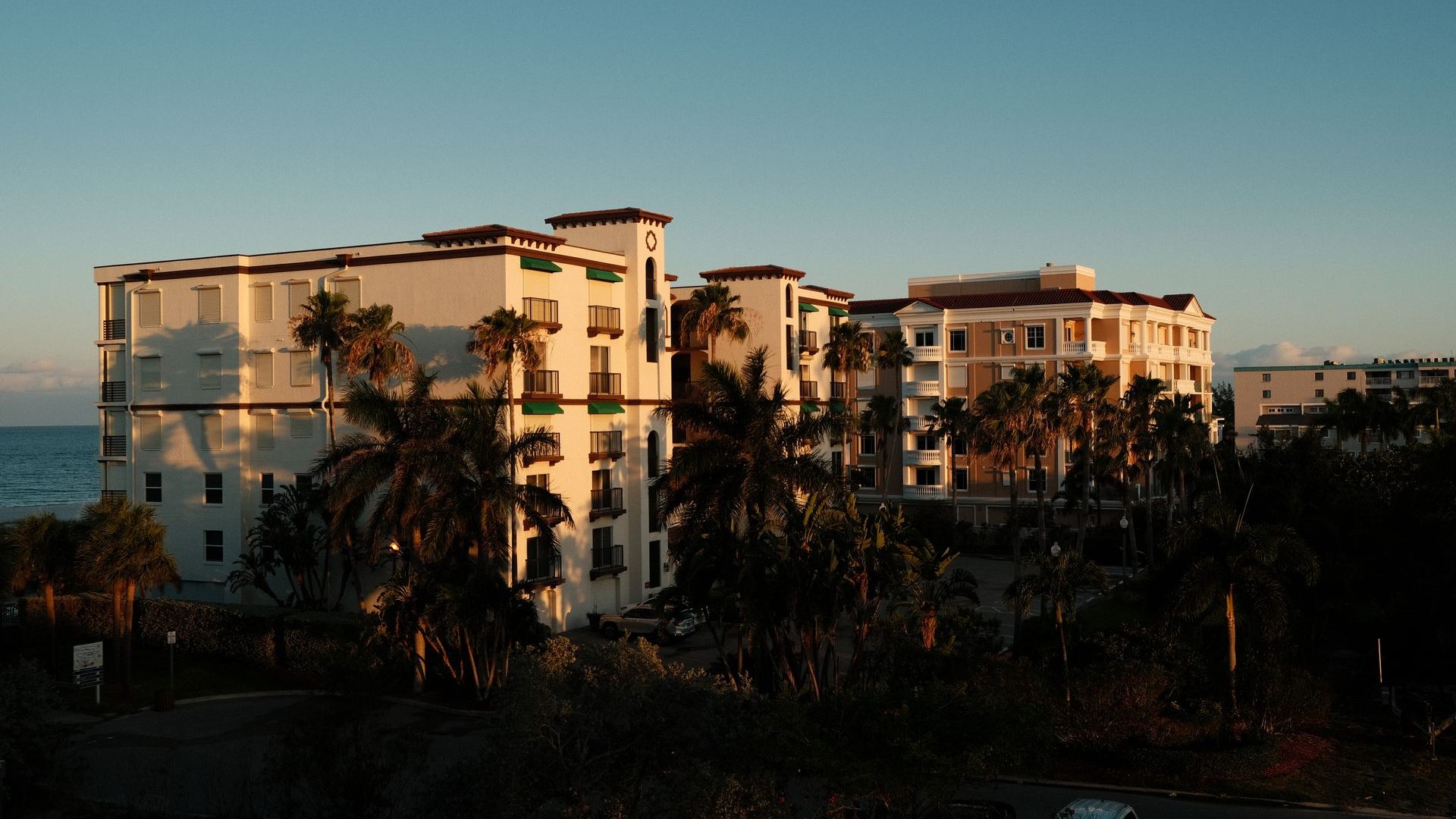
Condos are the most negotiable part of the St. Petersburg market right now — and the most misunderstood. Since Florida tightened its condominium safety laws after the 2021 Surfside collapse, older buildings have been completing structural inspections, rebuilding their reserves and, in many cases, passing large special assessments on to owners. For buyers, that creates both risk and opportunity. This guide explains what the rules mean in plain English and exactly which documents to read before you buy a condo in St. Petersburg in 2026.
This article is general information, not legal advice. Condo law changed several times between 2022 and 2025; for questions about a specific contract, talk to a Florida real estate attorney.
Why condos are different in 2026
Three things changed the condo market in Florida:
- Milestone inspections. Condo and co-op buildings with three or more habitable stories must have a structural “milestone” inspection once they reach 30 years of age, and every 10 years after that. Local building officials can require the first inspection earlier — as early as 25 years — based on local conditions such as proximity to salt water.
- Structural integrity reserve studies (SIRS). The same buildings must have a SIRS that estimates the life and replacement cost of key structural components — roof, load-bearing structure, fireproofing and fire protection, plumbing, electrical, waterproofing and exterior painting, windows and exterior doors — and how much the association must save each year.
- No more waiving structural reserves. For years, many associations voted to skip or underfund reserves to keep monthly fees low. That is no longer allowed for the structural items covered by the SIRS, so dues have risen, and buildings that put off repairs are now paying for them through special assessments, loans or both.
In 2025, House Bill 913 adjusted some deadlines and gave associations more financing flexibility, and it added important protections for buyers (below).
What a special assessment looks like in real life
Special assessments are not theoretical. In 2026 the owners at Waterside at Coquina Key, a large waterfront community in south St. Petersburg where I live and work, approved a $13.2 million special assessment. Each owner’s share is based on the square footage of the unit, and it is payable over 36 months with no interest. It covers structural repairs, stairs, patio pavers and fences, AC stands and enclosures, the seawall, engineering, permitting and professional fees, and a contingency fund.
What happened next is typical of what I see across the market: some owners listed their units to avoid the assessment, which added inventory and put temporary pressure on prices — yet condos in the community kept selling, with recent sales between $130,000 and $328,000 for buyers who understood the numbers. Once the work is done, a building with a new seawall, repaired structure and funded reserves is often easier to insure and finance.
The documents you must read before you buy
Ask for these early — ideally before you make an offer, and certainly before the end of your review period:
| Document | What to look for |
|---|---|
| Milestone inspection summary | Has the inspection been done? Did it find “substantial structural deterioration” that requires repairs, and when are they due? |
| Structural integrity reserve study (SIRS) | Remaining useful life of the roof, structure and systems; the annual amount the association must reserve; any funding shortfall. |
| Current budget and reserve schedule | Are reserves fully funded as the SIRS requires? A big jump in dues may be coming at the next budget. |
| Board and owner meeting minutes (last 12 months) | Discussions of repairs, loans, insurance problems, litigation or upcoming assessments — the earliest warning signs. |
| Estoppel certificate | Exact amounts the seller owes, including any special assessment installments still due. |
| Insurance declarations | Master policy coverage and deductible; what you need to insure inside your unit (an HO-6 policy). |
Your rights as a resale condo buyer
Florida gives resale condo buyers a review window after they receive the association’s governing documents and disclosures. Since HB 913 took effect on July 1, 2025, that window is seven days (it used to be three), and the milestone inspection summary and SIRS are part of what you must receive (HousingWire, KSN Law). Use those days to actually read the documents — or have someone who reads them every week do it with you.
Who pays an unpaid special assessment when the condo is sold?
It depends on the contract. The standard Florida Realtors/Florida Bar contract includes a provision on special assessments: typically, installments due before closing are the seller’s responsibility and future installments can be assumed by the buyer — but this is negotiable. In the current market, many buyers ask the seller to pay off the remaining balance at closing or to give an equivalent credit. As a buyer, make sure the contract states clearly who pays what; as a seller, decide in advance how much of the assessment you are willing to carry.
Financing: why some condos are hard to get a mortgage on
Lenders that sell loans to Fannie Mae and Freddie Mac review the whole building, not just your credit. Buildings with critical repairs outstanding, unfunded reserves, ongoing litigation or insurance gaps can be considered ineligible (“non-warrantable”), which means fewer loan options, larger down payments or cash only. Ask your lender to check the building’s eligibility before you pay for an inspection.
Red flags and green flags
- Red flags: no milestone inspection or SIRS when one is due; repairs identified but not scheduled; reserves funded below the SIRS amount; a pending vote on a loan or assessment; a high insurance deductible the association cannot cover.
- Green flags: inspection completed and repairs finished or fully funded; reserves on schedule; recent roof, seawall or concrete restoration; stable insurance; clear, organized records from management.
Is now a good time to buy a condo in St. Petersburg?
In August 2026 Pinellas condos had 6.4 months of supply, took a median of 74 days to go under contract and sold for about 92% of list price (Stellar MLS data; see our 2026 Tampa Bay market update). That is real negotiating power — as long as you know what you are buying. The best opportunities are often in buildings that have already done the hard work: assessed, repaired and refunded their reserves.
Frequently asked questions
What is a SIRS in a Florida condo?
A structural integrity reserve study — a study required for condo buildings with three or more habitable stories that estimates the remaining life and replacement cost of the roof, structure, fire protection, plumbing, electrical, waterproofing, windows and doors, and sets how much the association must save each year.
Which buildings need a milestone inspection?
Condo and co-op buildings with three or more habitable stories, once they reach 30 years old and then every 10 years. Local officials may require the first inspection as early as 25 years based on local conditions.
Can I cancel a condo purchase after reading the documents?
Florida resale condo contracts give the buyer a review period after receiving the required documents — seven days since July 1, 2025. Check your contract for the exact terms and dates.
Do condo owners have to pay special assessments?
Yes. If the association properly approves a special assessment, every owner must pay their share — usually as a lump sum or in installments. Buyers should find out about any approved or proposed assessments before signing.
Thinking about a condo in St. Petersburg?
I follow condo communities across St. Pete closely — including the one I live in — and I’m glad to walk you through a building’s inspections, reserves and assessments before you commit, in English, Russian or Ukrainian. Book a free consultation or see how I help buyers.