
 5 min
5 min  2
2 


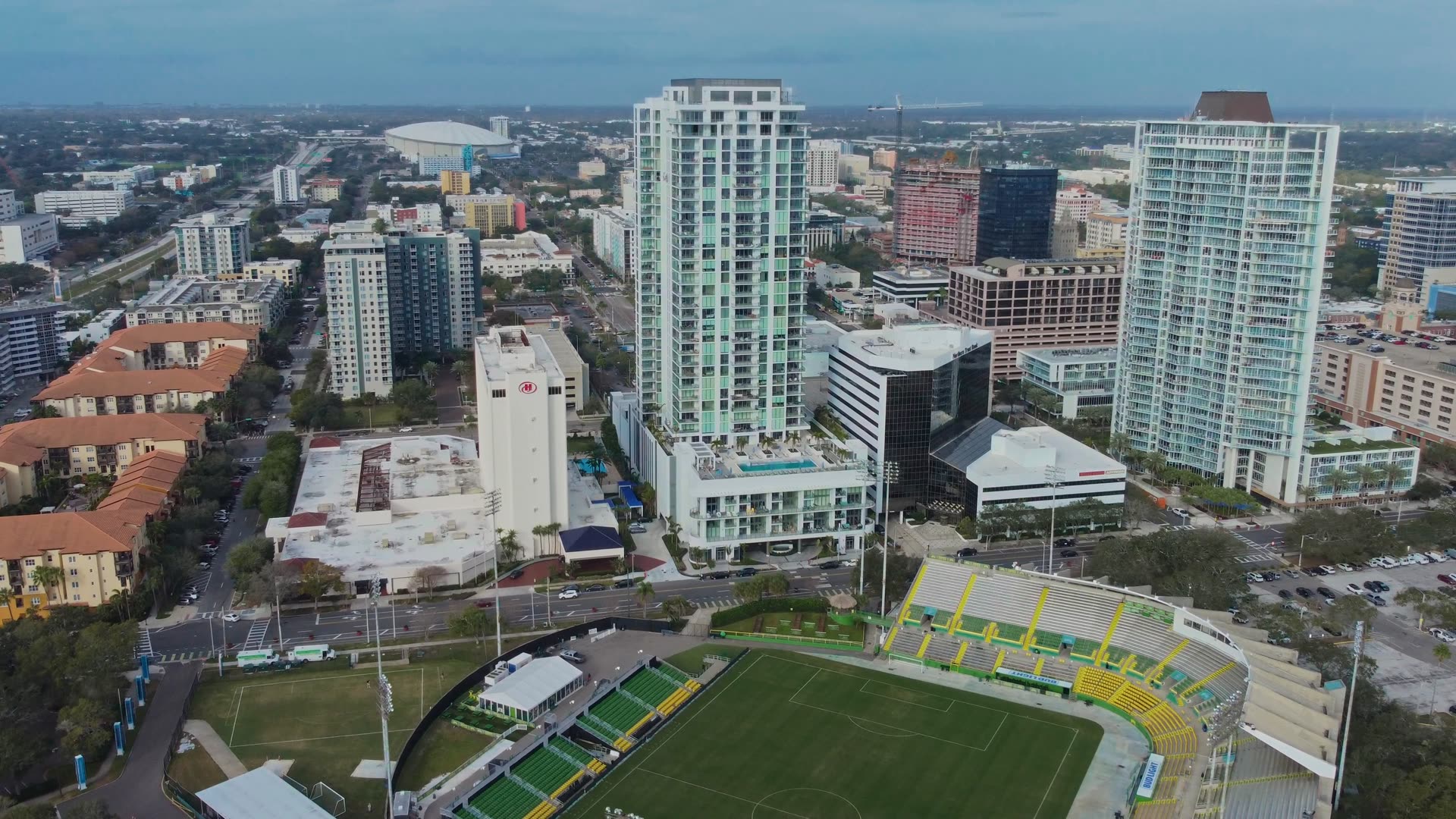
Closing costs are the part of a Florida home purchase or sale that surprises people most. Beyond the price and the down payment, there are state taxes, title insurance, lender fees, prepaid insurance and property taxes, and — for sellers — commissions and the deed tax. This guide explains who usually pays what in a Florida closing, with a focus on Pinellas County and St. Petersburg, and how to estimate your own numbers.
General information, not legal or tax advice. Customs can be changed by contract; your title company will give you the exact figures on your closing disclosure.
Quick answer: how much are closing costs in Florida?
- Buyers with a mortgage commonly pay roughly 2%–5% of the purchase price in closing costs and prepaid items, mostly driven by lender fees, state taxes on the loan, title insurance for the lender, and prepaid homeowners insurance and property taxes. Cash buyers pay much less.
- Sellers typically pay the documentary stamp tax on the deed (0.7% of the price), title-related costs where customary, their share of property taxes, any HOA or condo payoffs, and real estate commissions, which are negotiable.
Florida’s state taxes on a sale
| Tax | Rate | Who usually pays |
|---|---|---|
| Documentary stamp tax on the deed | $0.70 per $100 of the sale price | Seller (by custom, negotiable) |
| Documentary stamp tax on the mortgage note | $0.35 per $100 of the loan amount | Buyer (financed purchases only) |
| Intangible tax on the mortgage | $0.002 per $1 of the loan amount (0.2%) | Buyer (financed purchases only) |
Example: on a $465,000 home with a $372,000 loan, the deed stamps are about $3,255, the note stamps about $1,302 and the intangible tax about $744. (Miami-Dade County uses a different deed rate; the figures above apply in Pinellas.) Sources: Fla. Stat. §201.02 and §199.133, summarized by Barnes Walker.
Buyer closing costs, line by line
- Lender fees: origination or underwriting fees, appraisal, credit report and any discount points you choose to buy down the rate.
- Taxes on the loan: note stamps and intangible tax (see the table).
- Lender’s title insurance and title-related charges.
- Recording fees for the deed and mortgage.
- Inspections and survey: home inspection, wind-mitigation and 4-point inspections (they can lower your insurance), and a survey.
- Prepaid items and escrow: the first year of homeowners insurance, often flood insurance, and several months of property taxes collected into escrow. In Florida these can be larger than all the fees combined — get insurance quotes early. See our flood zone and insurance guide.
- Condo or HOA charges: application, estoppel and transfer fees, and sometimes a capital contribution.
Seller closing costs, line by line
- Deed documentary stamps — 0.7% of the price.
- Owner’s title insurance and title search — in much of Florida, including the Tampa Bay area, the seller customarily pays for the buyer’s owner’s title policy, but it varies by county and is negotiable; confirm with your title company.
- Real estate commissions — negotiable and agreed in writing.
- Prorated property taxes — Florida taxes are paid in arrears, so sellers usually credit the buyer for the part of the year they owned the home.
- Mortgage payoff, HOA or condo estoppel fees, and any unpaid special assessments — see our condo guide for how assessments are handled.
- Repairs or credits agreed after the buyer’s inspection.
How to lower your closing costs
- Negotiate seller credits. In today’s condo market especially, sellers often prefer a closing-cost credit to a price cut.
- Compare lenders using the Loan Estimate each one must provide, not just the interest rate.
- Shop insurance and get wind-mitigation and 4-point inspections that can earn discounts.
- Time your closing with your lender to manage prepaid interest and escrow.
- Apply for the homestead exemption after you buy your primary home — it lowers future property taxes. See how to apply in Pinellas County.
Frequently asked questions
Who pays closing costs in Florida, the buyer or the seller?
Both. By custom the seller pays the deed stamps and, in much of Florida, the owner’s title insurance, while the buyer pays the loan-related taxes, lender fees and prepaid items. The purchase contract decides the final split.
How much cash do I need to close on a house in St. Petersburg?
Your down payment plus roughly 2%–5% of the price for closing costs and prepaids if you finance. Insurance premiums and escrow deposits can make the number higher than buyers expect, so ask your lender and insurance agent for estimates before you make an offer.
Are closing costs tax deductible?
Some items, such as prepaid mortgage interest and property taxes, may be deductible; most fees are not. Ask a tax professional about your situation.
Want an estimate for your purchase or sale?
I can walk you through a realistic estimate for a specific home before you sign anything — in English, Russian or Ukrainian. Sellers can start with a free home valuation; buyers can book a free consultation.


2 comments