
 5 min
5 min  1
1 


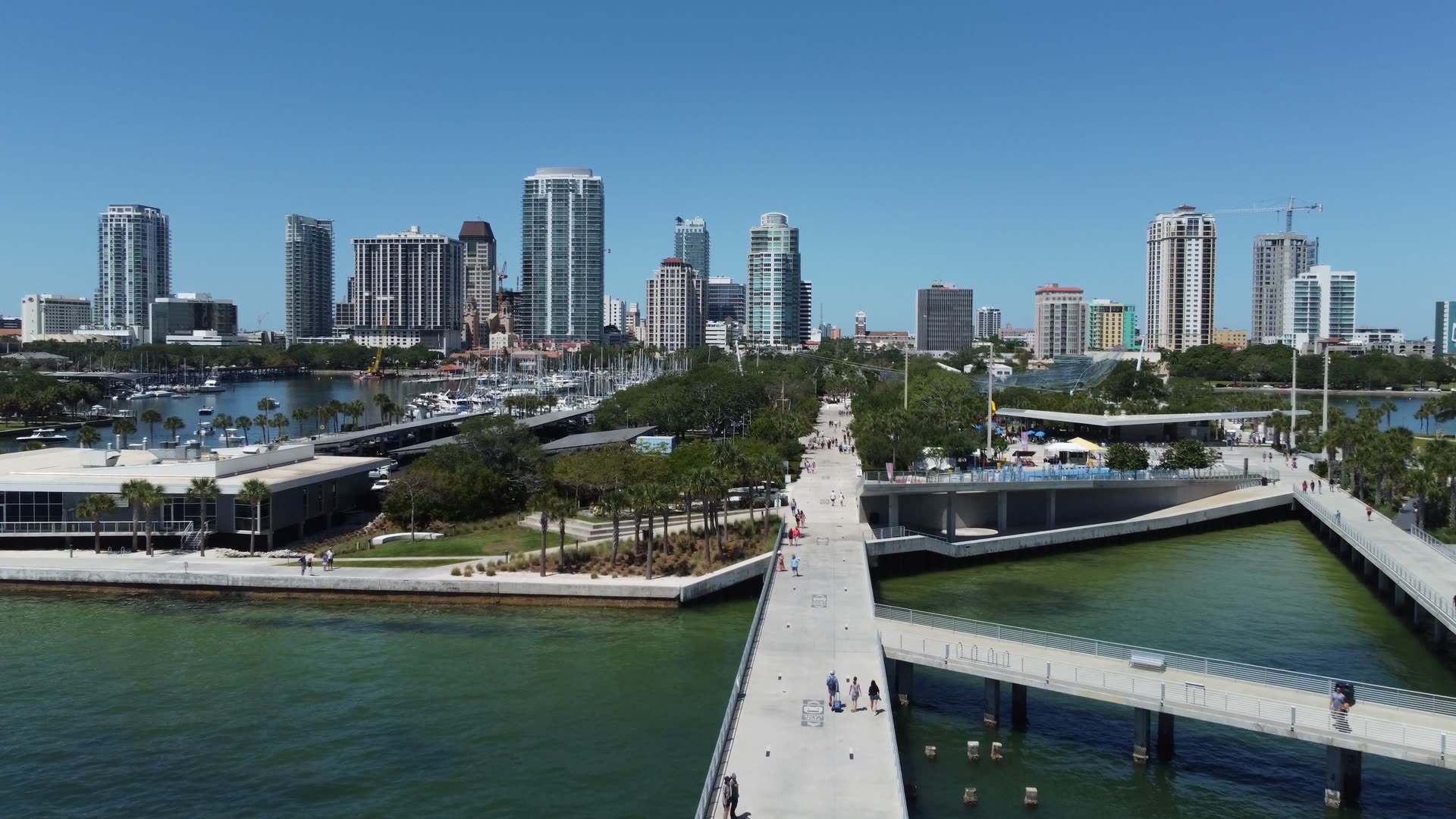
“How much does it really cost to live in St. Petersburg?” is the first question most people ask before moving to Tampa Bay. The answer depends on whether you rent or buy, where you live and how close to the water — but the big picture is clear: no state income tax works in your favor, while housing and insurance are the costs to plan for carefully. Here is a 2026 breakdown with sources.
The short version
- Taxes: Florida has no state personal income tax. The sales tax in Pinellas County is 7%.
- Buying: the median single-family home in Pinellas County sold for $464,950 and the median condo for $275,000 in August 2026 (Stellar MLS).
- Renting: HUD’s FY2026 fair market rents for St. Petersburg ZIP codes are roughly $1,600–$1,700 for a one-bedroom and $1,900–$2,000 for a two-bedroom; newer downtown buildings typically cost more.
- Insurance: the cost that surprises newcomers most — budget for homeowners (wind) and, ideally, flood coverage.
Housing: buying a home
In August 2026 the median Pinellas single-family home sold for $464,950 (+6.9% year over year) and the median condo for $275,000; year to date, the condo median was $295,000. With 30-year mortgage rates around 7% (Freddie Mac, late September 2026), principal and interest on a median-priced house with 10% down comes to roughly $2,800 a month — before taxes, insurance and any HOA fees. Sources: Suncoast Tampa Association of REALTORS® / Stellar MLS via Truvera Title.
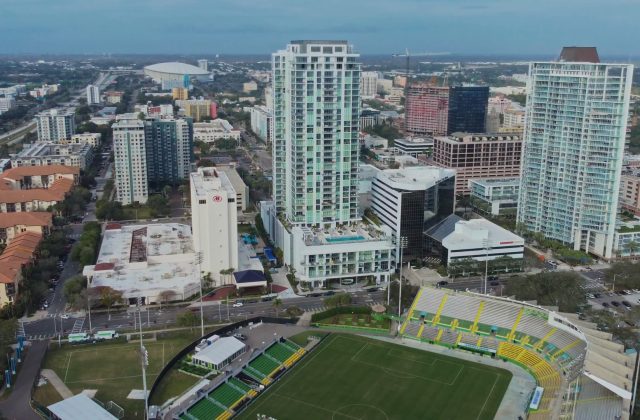
Prices vary a lot by neighborhood: downtown luxury towers and waterfront estates sit far above the median, while south St. Pete and many condo communities are well below it. See our neighborhood guides and the 2026 market update.
Housing: renting
HUD’s FY2026 small-area fair market rents — a benchmark set near the middle of the local rental market — are about $1,620 (1BR) and $1,890 (2BR) in ZIP 33707 and about $1,710 (1BR) and $1,990 (2BR) in ZIP 33742 (HUD SAFMR data). Expect higher rents for new downtown buildings and waterfront units, and lower rents in older buildings away from the water.
Property taxes and the homestead exemption
Property taxes depend on your home’s assessed value and local millage rates. If the home is your primary residence, the homestead exemption takes up to $50,000 off the assessed value and caps future increases at 3% a year (or CPI, if lower). Buyers should budget for taxes based on the purchase price, not the seller’s capped bill.
Insurance
Insurance is the line item to research first. Recent local estimates put a typical Pinellas single-family homeowners policy with wind coverage at roughly $3,900–$5,500 a year, with flood insurance adding about $1,200–$3,000 or more depending on zone and elevation (Latent Insurance). Citizens policies in Pinellas averaged $1,911 in April 2026, and more private insurers have returned to the market (Truvera Title). Condo owners pay much less for their own HO-6 policy, but the building’s master policy is part of the HOA fee. Read our flood zone and insurance guide.
Everyday costs
- Utilities: air conditioning drives electricity bills in summer; well-insulated, newer homes and condos cost less to cool.
- Transportation: most residents drive, but downtown St. Pete is walkable and bikeable, and the SunRunner rapid bus connects downtown with the Gulf beaches.
- Groceries and dining: similar to other mid-sized U.S. metros; Florida does not tax most groceries.
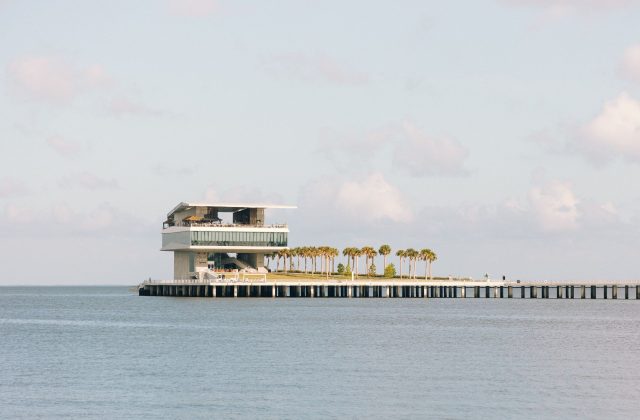
- Lifestyle: beaches, waterfront parks, the Pier and year-round outdoor activities cost little or nothing.
How to keep costs down
- Compare insurance quotes for specific addresses before choosing a neighborhood.
- Look at elevation and newer construction — they can lower insurance substantially.
- Consider condos in financially healthy buildings for lower maintenance and insurance.
- File for the homestead exemption by March 1 after you buy.
- Negotiate seller credits toward closing costs — see Florida closing costs.
Frequently asked questions
Is St. Petersburg, FL expensive to live in?
It costs more than many inland Florida cities, mainly because of housing and insurance, but no state income tax and a wide range of neighborhoods and condo options keep it within reach for many buyers and renters.
What salary do you need to live in St. Petersburg?
It depends on your housing choice. A useful rule is to keep total housing costs — rent or mortgage, taxes, insurance and HOA — near 30% of gross income; use the figures above to estimate your own number.
Is it cheaper to rent or buy in St. Petersburg?
With mortgage rates near 7%, monthly ownership costs often exceed rent for a comparable home, but buying builds equity and, with homestead, locks in a capped tax base. The answer depends on how long you plan to stay.
Planning a move?
I help newcomers compare neighborhoods by total monthly cost — not just price. Read our guide to moving to St. Petersburg or see my relocation services, and book a free consultation in English, Russian or Ukrainian.
Figures as of October 2026 and for general information only.


1 comment