
 8 min
8 min  1
1 


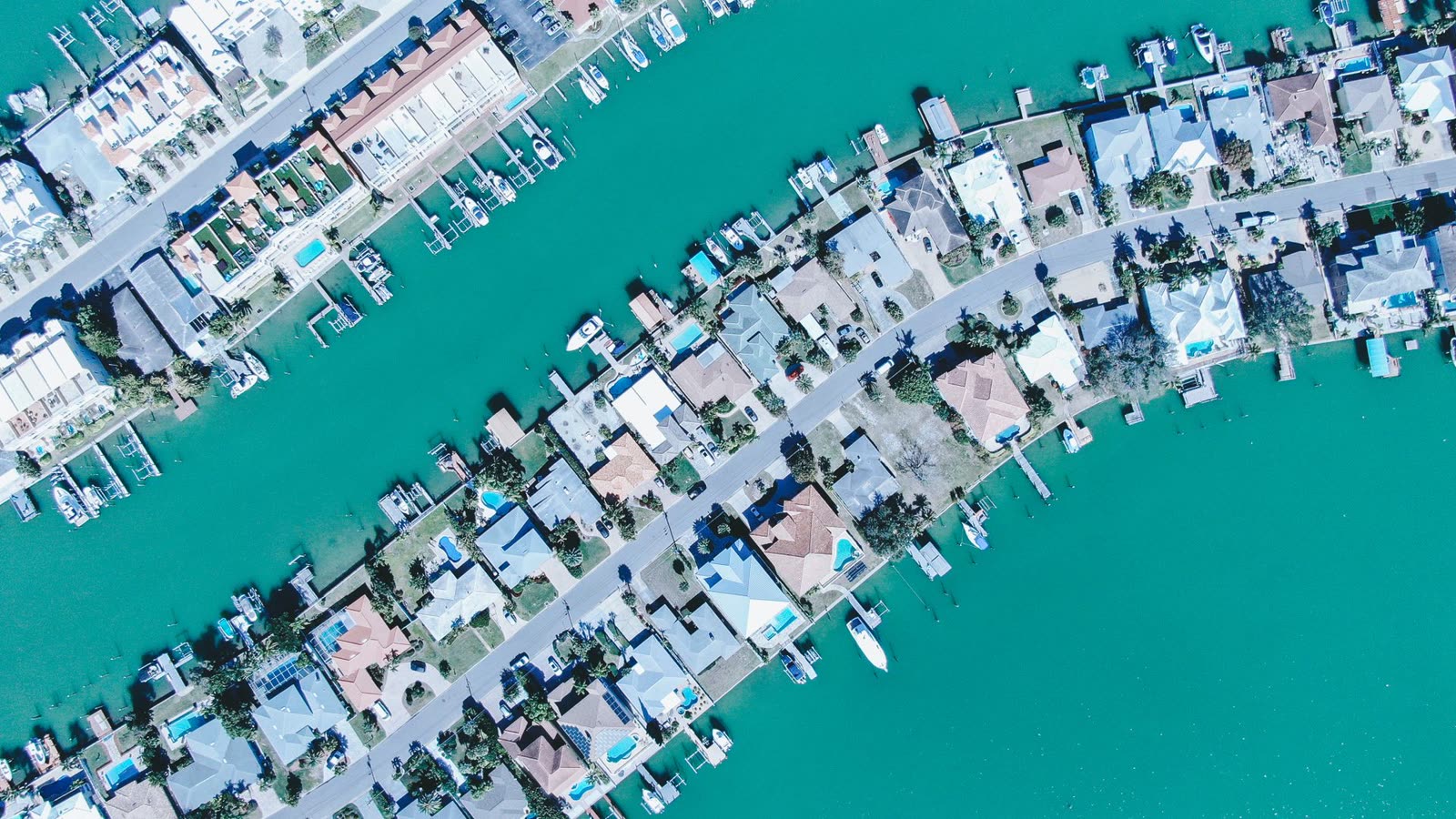
Buying a home in Florida follows a clear sequence, but the details are different from many other states — and very different from buying property in Europe. Deadlines start running the day the contract is signed, insurance can decide whether a deal works, and closings are usually handled by a title company rather than a lawyer. This guide walks through the process step by step, the way it typically works in St. Petersburg and Tampa Bay, so you know what happens next and what to prepare.
General information, not legal or financial advice. Every contract can change the default terms described here; your agent, lender and title company will give you the exact dates for your purchase.
The process at a glance
| Stage | Typical timing |
|---|---|
| Budget, pre-approval, insurance estimate | 1–2 weeks before you start touring |
| Search, tours and offer | Days to a few months |
| Escrow deposit | Within 3 days after the contract is signed (standard default) |
| Inspection period | 15 days (standard default) |
| Loan approval | 30 days (standard default) |
| Closing | Usually 30–45 days after contract with a mortgage; faster for cash |
The “standard default” figures are the periods that apply in the widely used Florida Realtors/Florida Bar “AS IS” residential contract when the parties leave the blank empty. They are negotiable, and in competitive situations buyers often offer shorter periods.
Step 1. Know your budget — including insurance
Start with a mortgage pre-approval (not just a pre-qualification): the lender checks your income, assets and credit and tells you how much you can borrow. In Florida, also get a rough insurance estimate before you fall in love with a house. Homeowners (wind) insurance and, often, flood insurance can add hundreds of dollars a month, and they depend on the roof, the year built, the elevation and the flood zone — see our flood zone and insurance guide.
Budget for the down payment plus roughly 2%–5% of the price for closing costs and prepaid items if you finance; our guide to Florida closing costs breaks them down. Buying from abroad or without U.S. credit history? Read can foreigners buy property in Florida first.
Step 2. Choose your agent and sign a buyer agreement
Since August 17, 2024, agents who use the MLS must have a written agreement with a buyer before touring a home with them, in person or virtually. The agreement states what the agent will do and how they will be paid; compensation is negotiable and not set by law (NAR consumer guide). Read it, ask questions, and make sure you understand the term and what happens if you stop working together.
Step 3. Search and tour
Narrow the search by commute, lifestyle, budget and flood risk rather than by photos. Our neighborhood guides compare St. Petersburg areas, and the 2026 market update shows where buyers have more room to negotiate (right now, mostly in condos). For a condo, ask early for the building’s milestone inspection summary, reserve study and any special assessments — see our condo buying guide.
Step 4. Make an offer
Most residential offers in Florida are written on the Florida Realtors/Florida Bar contract — usually the “AS IS” version, in which the seller does not commit to repairs but you keep the right to cancel during the inspection period. The key terms you negotiate:
- Price and any seller credit toward closing costs or a rate buy-down.
- Escrow deposit — the amount you put down with the offer.
- Financing — loan type, amount and the loan approval period, or a cash purchase.
- Inspection period — how many days you have to inspect and decide.
- Closing date and any items that stay with the house.
The contract becomes effective when the last party signs and the signed copy is delivered — that date (“Effective Date”) starts the clock for every deadline that follows.
Step 5. Deliver the escrow deposit
Under the standard contract, the initial deposit goes to the named escrow agent — usually the title company or a real estate attorney — within 3 days after the Effective Date, unless the contract says otherwise. The money is held in escrow and applied to your purchase at closing.
Protect yourself from wire fraud. Criminals send fake “updated” wiring instructions by email at exactly this moment. Get the instructions directly from the title company, confirm them by phone using a number you looked up yourself (not one from an email), and confirm receipt after you send the money. If something goes wrong, call your bank immediately and file a report at IC3.gov.
Step 6. Inspections — the most important 15 days
In the AS IS contract, you can cancel for any reason before the inspection period ends (15 days by default) and get your deposit back. Use this time well:
- General home inspection — structure, roof, systems and visible defects.
- Wind-mitigation and 4-point inspections — insurers use them to price and approve your policy, especially for older homes.
- Wood-destroying organism (termite) inspection, and for waterfront homes, the seawall and dock.
- Insurance quotes for the specific address — wind and flood.
- Flood history and permits — read the seller’s flood disclosure and check that past repairs were permitted.
- Condos and HOAs — review the association documents; resale condo buyers have a separate document review period (seven days since July 1, 2025).
If the inspection finds problems, you can cancel, ask for a price reduction or credit, or proceed. Whatever you agree must be in writing before the period ends.
Step 7. Financing and appraisal
Apply for the mortgage right away — the standard contract gives you 5 days to apply and 30 days for loan approval unless other periods are written in. The lender orders an appraisal to confirm the value, reviews your documents and issues approval. Do not open new credit, change jobs or move large sums of money without talking to your lender first. If the appraisal comes in low, your agent can renegotiate with the seller.
Step 8. Title, survey and insurance
The title company searches the public records for liens, judgments and other problems, prepares the title insurance policy and coordinates the closing. A survey shows the boundaries and any encroachments. Before closing, you must have homeowners insurance in place (and flood insurance if the lender requires it); the lender will ask for the policy “binder.”
Step 9. Final numbers and walk-through
If you have a mortgage, you will receive the Closing Disclosure at least three business days before closing — compare it with your Loan Estimate and ask about any differences (CFPB). The day before or the day of closing, you do a final walk-through to confirm the home is in the agreed condition and the included items are there.
Step 10. Closing day
You sign the loan and closing documents at the title company, or remotely or by mail with a notary if you are out of town, and send the remaining funds by wire. The title company disburses the money, the deed is recorded with the county, and you receive the keys.
After closing
- If it is your primary residence, apply for the homestead exemption by March 1 of the following year.
- Update your driver’s license and voter registration to the new address.
- Make a hurricane plan: know your evacuation zone and keep insurance documents handy.
Frequently asked questions
How long does it take to buy a house in Florida?
From an accepted offer to closing, usually 30–45 days with a mortgage. Cash purchases can close in two to three weeks, depending on the title work and the seller.
Can I back out after signing the contract?
Under the AS IS contract you can cancel for any reason during the inspection period and get your deposit back, as long as you deliver written notice in time. After the inspection period, cancellation rights are limited to the specific contingencies in your contract, such as financing or appraisal.
How much is the escrow deposit in Florida?
There is no fixed amount — it is negotiated in the offer. A larger deposit can make your offer stronger; it is held by the escrow agent and credited to you at closing.
Do I need a lawyer to buy a house in Florida?
It is not required — most Florida closings are handled by title companies. You can hire a real estate attorney to review the contract or handle the closing, which many buyers do for complex purchases.
Buying in St. Petersburg or Tampa Bay?
I guide buyers through every step — from pre-approval and insurance quotes to inspections, negotiations and closing — in English, Russian or Ukrainian. Book a free consultation or see how I work with buyers.


1 comment