
 9 min
 2



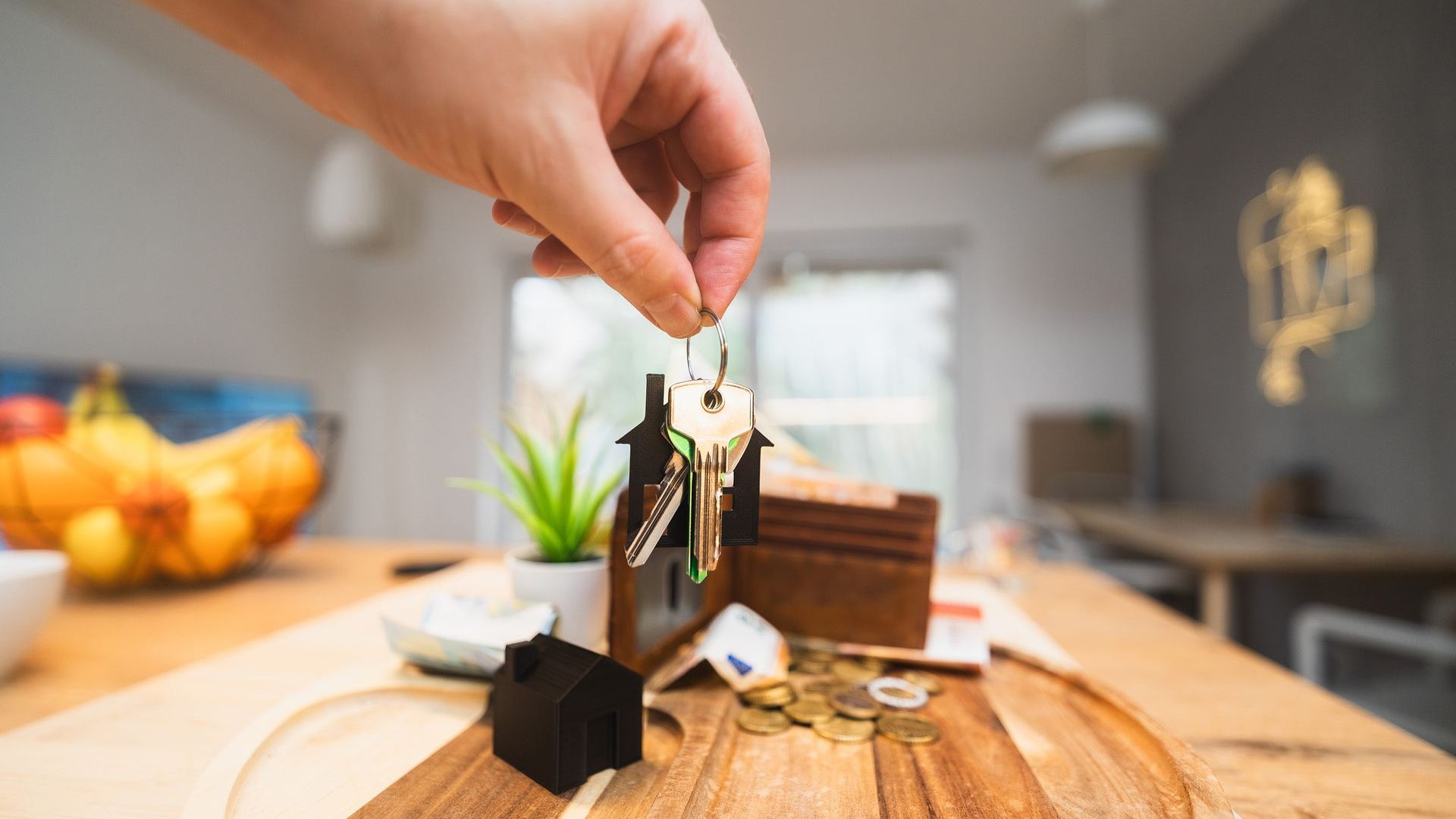
Selling a home in St. Petersburg is not just a matter of listing it and waiting. The price you choose in the first two weeks, what you disclose about flooding and insurance, and the way you handle the buyer’s inspection can change both how fast you sell and how much you keep. This guide walks through the process step by step, the way it usually works in St. Petersburg and Tampa Bay, so you know what to prepare, what the law requires and where sellers most often lose money.
General information, not legal or tax advice. Your contract, your title company and a tax professional will give you the exact terms and numbers for your sale.
The process at a glance
| Stage | Typical timing |
|---|---|
| Valuation, pricing strategy, preparation | 1–4 weeks before listing |
| Listing to accepted offer | Median 37 days for single-family homes and 74 days for condos in Pinellas County (August 2026) |
| Buyer’s inspection period | 15 days is the standard default; often shortened in competitive offers |
| Title evidence delivered to the buyer | Usually at least 15 days before closing (standard contract default) |
| Contract to closing | Usually 30–45 days with a mortgage; faster for cash |
Market figures are from our 2026 Tampa Bay market update. Contract periods are the defaults of the widely used Florida Realtors/Florida Bar “AS IS” residential contract; they are negotiable.
Step 1. Get a realistic valuation
Everything starts with the price. A comparative market analysis (CMA) looks at homes like yours that sold recently, homes that are active now and homes that did not sell. In Tampa Bay today it also has to account for factors an online estimate cannot see: the flood zone and elevation, the age of the roof, the insurance cost a buyer will face and, for condos, the building’s inspections, reserves and special assessments. You can request a free home valuation without any obligation to list.
Price for the buyer’s monthly payment, not just for the comparable sales: at mortgage rates around 7%, a small price change moves the payment noticeably. In August 2026 single-family homes in Pinellas County sold for about 95% of the list price, and condos for about 92%.
Step 2. Choose an agent and read the listing agreement
The listing agreement sets the term, the price, what the agent will do and how the agent is paid. Commissions are negotiable and not set by law. Ask what is included (photography, marketing, showings, negotiation, inspection coordination, closing support), how long the agreement lasts, what happens if you cancel, and how any compensation offered to the buyer’s agent or any seller concession works. If you hold the property through a trust or an LLC, tell your agent and the title company at this stage.
Step 3. Prepare the home and the paperwork
- Cosmetic work with the best return: deep cleaning, fresh neutral paint, lighting, landscaping and small repairs. Large renovations rarely pay back before a sale.
- Insurance and roof documents: roof age, the wind-mitigation report and a 4-point inspection (if you have them) answer the first questions buyers’ insurers ask.
- Flood information: collect your elevation certificate (if you have one), flood zone, any flood insurance claims and repair permits. See our flood zone and insurance guide.
- Condo or HOA: request the governing documents, the milestone inspection summary and reserve study (for buildings that need them) and details of any special assessment, so the buyer can review them without delay. See our condo guide.
- A pre-listing inspection is optional but can remove surprises: you find the issues first and decide how to handle them.
Step 4. Disclose what Florida requires
Florida sellers must disclose known facts that materially affect the value of the property and are not readily observable. For flooding there is now a written form too. Under the 2025 law (SB 948, effective October 1, 2025), a seller of residential property gives the buyer a flood disclosure at or before the time the sales contract is signed. On it you state whether, during your ownership:
- you know of flooding that damaged the property;
- you filed an insurance claim for flood damage, including with the National Flood Insurance Program;
- you received federal assistance for flood damage, including from FEMA.
The form also states that standard homeowners’ insurance does not cover floods (Florida Senate, SB 948 enrolled text). Answer accurately and keep your records: an honest disclosure protects you far better than a surprise discovered after closing.
Step 5. Photos, listing and showings
Professional photography and a clear listing presentation decide how many buyers come to see the home in the first weeks. Your agent publishes the home on the MLS and the main portals, and arranges showings around your schedule. Respond to showing requests quickly: the first two weeks matter most, and a home that sits starts to look overpriced.
Step 6. Review offers, not just the price
Compare offers on the whole package:
- Price and any request for seller credits toward closing costs or a rate buy-down.
- Financing: cash, conventional, FHA or VA, and the loan approval period. Ask for proof of funds or a lender’s pre-approval letter.
- Escrow deposit and when it is due (the standard contract says within 3 days after the effective date unless the parties agree otherwise).
- Inspection period (15 days by default), the closing date and what stays with the house.
You can accept, reject or counter. Once both sides sign, the contract takes effect and every deadline starts counting from that date.
Step 7. The buyer’s inspection and the appraisal
In the AS IS contract the buyer can cancel for any reason during the inspection period. If the inspection finds problems, expect a request for repairs, a credit or a price reduction. Decide in advance what you are willing to do, and keep every agreement in writing before the period ends. If the buyer is financing, the lender orders an appraisal; when it comes in below the contract price, your options are to renegotiate, wait for the buyer to cover the gap, or go back on the market.
Step 8. Title, payoff and closing
The title company searches the public records, clears liens, orders the payoff of your mortgage and prepares the closing documents. In the standard contract the seller delivers title evidence to the buyer, usually at least 15 days before closing. Plan for these seller costs (our closing costs guide explains each):
- documentary stamp tax on the deed — $0.70 per $100 of the price;
- owner’s title insurance, where customary — it varies by county, so confirm with your title company;
- agent commissions, as agreed in the listing agreement;
- the seller’s share of property taxes, which Florida bills in arrears;
- mortgage payoff, HOA or condo estoppel fees and any unpaid special assessments.
If you live out of state or abroad, you can usually sign remotely or by mail with a notary. The proceeds go to the seller of record by wire; as with the buyer’s side, always confirm wire instructions by phone with the title company, using a number you looked up yourself.
Step 9. Taxes after the sale
- Florida has no state income tax, so the question is federal tax on any gain.
- If it was your main home, you can generally exclude up to $250,000 of gain ($500,000 on a joint return) if you owned and used the home as your main home for at least 2 of the 5 years before the sale (IRS Topic 701). If you receive Form 1099-S, the sale must be reported even when the gain is excluded.
- If you bought a new Florida home, remember the homestead exemption and the portability of your Save Our Homes benefit, which must be applied for in time.
Selling as a foreign owner: FIRPTA withholding
If the seller is not a U.S. person, the buyer is required to withhold part of the sale price for the IRS (FIRPTA). The IRS rates depend on the price and on how the buyer will use the home (IRS: FIRPTA withholding):
| Sale price (amount realized) | Withholding |
|---|---|
| $300,000 or less, buyer will use it as a residence | None |
| Above $300,000 up to $1 million, buyer will use it as a residence | 10% |
| Above $1 million, or the buyer will not live there | 15% |
This is a withholding, not necessarily the final tax. If your actual tax will be lower, you or the buyer can apply to the IRS for a withholding certificate (Form 8288-B), and the request generally has to reach the IRS before the date of transfer. Talk to a U.S. tax professional before you sign a contract, not at closing.
Where sellers most often lose money
- Pricing too high and cutting the price weeks later, after the home has gone stale.
- Not knowing the buyer’s insurance cost and losing the deal when a quote comes back much higher than expected.
- Surprises in the inspection that could have been fixed or disclosed earlier.
- Incomplete condo or HOA documents that delay the buyer’s review.
- Tax questions raised too late — especially for non-U.S. owners.
Frequently asked questions
How long does it take to sell a house in St. Petersburg?
In August 2026 the median single-family home in Pinellas County went under contract in 37 days and the median condo in 74 days, plus 30–45 days to close if the buyer finances.
Do I have to disclose flooding when I sell?
Yes. Florida sellers must give residential buyers a written flood disclosure at or before the time the contract is signed, stating whether they know of flood damage, filed flood insurance claims or received federal flood assistance during their ownership.
How much are the seller’s closing costs in Florida?
They depend on the price, the commission you negotiated and local custom. The deed tax alone is 0.7% of the price. See our closing costs guide for the full list.
Do I pay tax when I sell my home?
Not on gain that fits within the federal exclusion for a main home ($250,000, or $500,000 for married couples filing jointly). Florida has no state income tax. Gain above the exclusion, investment properties and sales by non-U.S. owners are treated differently — ask a tax professional.
Can I sell a house in St. Petersburg if I live abroad?
Yes. Your agent can manage showings, vendors and negotiations, and closing documents can usually be signed remotely or by mail with a notary. If you are not a U.S. person, plan for FIRPTA withholding.
Thinking about selling in St. Petersburg or Tampa Bay?
I will prepare a realistic price range, plan the preparation and marketing, and guide you through every step to closing — in English, Russian or Ukrainian. Start with a free home valuation or book a free consultation. You can also see how I work with sellers, and if you are handling a family member’s home, read our guide to selling a parent’s condo.



2 comments