7 min
7 min  0
0 


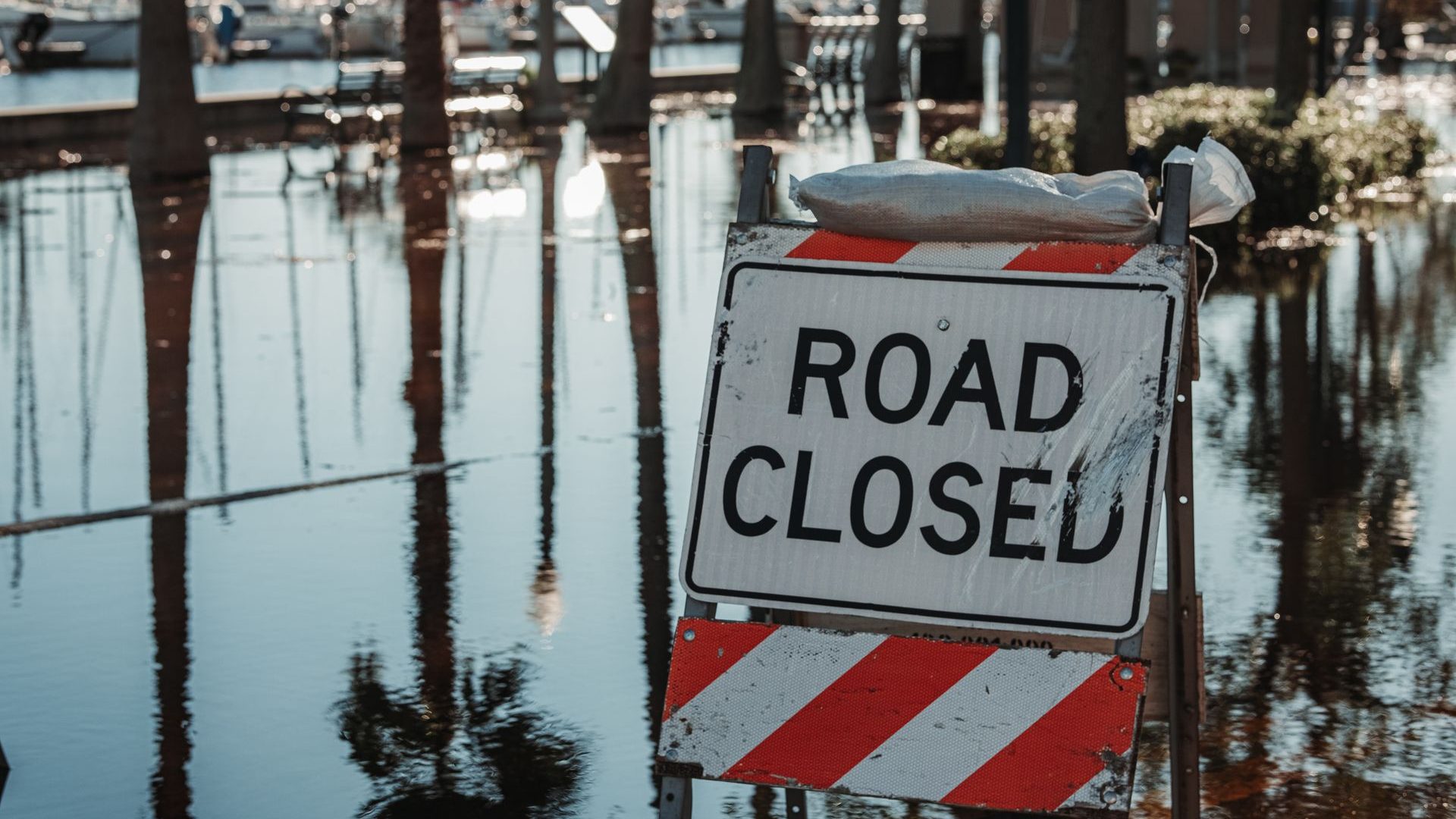
Hurricanes Helene and Milton in 2024 changed how people buy homes in St. Petersburg. Pinellas County is a low-lying peninsula surrounded by water on three sides, and the storm surge flooded thousands of homes — including many that had never flooded before. Two years later, the first questions I hear from buyers are no longer about granite countertops. They are: Did this house flood? What zone is it in? What will insurance cost? This guide answers those questions and gives you a checklist to use before you make an offer.
General information only — not insurance or legal advice. Get written quotes from a licensed insurance agent for the specific property before you commit.
Flood zones in plain English
FEMA flood maps divide land into zones based on the chance of flooding:
- Zone VE / V — coastal high-hazard areas exposed to storm-driven waves. The strictest building rules and the most expensive flood insurance.
- Zone AE / A — the “100-year floodplain”: at least a 1% chance of flooding every year (about a 26% chance over a 30-year mortgage). Most of St. Petersburg’s waterfront and low-lying neighborhoods fall here.
- Zone X (shaded) — moderate risk (the 500-year floodplain).
- Zone X (unshaded) — lower risk. Lower is not zero: a large share of flood claims nationwide come from outside high-risk zones, and Helene’s surge reached homes in Zone X.
You can look up any address on the FEMA Flood Map Service Center. Zone AE and VE properties are “Special Flood Hazard Areas” — if you finance the purchase with a federally backed mortgage, your lender will require flood insurance.
Your homeowners policy does not cover flooding
This surprises many buyers who move to Florida. A standard homeowners policy covers wind (including hurricane wind, usually with a separate hurricane deductible), but water rising from outside — storm surge, tidal or rain flooding — requires a separate flood policy, either from the National Flood Insurance Program (NFIP) or a private flood insurer. In Pinellas, flood is the peril most likely to destroy a home, so I recommend every buyer at least get a flood quote, whatever the zone.
Two practical details:
- A new NFIP policy usually has a 30-day waiting period before coverage starts (there is an exception when the policy is bought in connection with a new mortgage at closing).
- Citizens Property Insurance, Florida’s insurer of last resort, has been phasing in a requirement that its policyholders also carry flood insurance. If you expect to insure with Citizens, budget for flood coverage regardless of the zone.
What insurance costs in St. Petersburg in 2026
Costs vary enormously by roof age, elevation, construction year and distance to the water, so treat any average as a starting point only. Recent local estimates put a typical Pinellas single-family homeowners policy (with wind) at roughly $3,900–$5,500 per year, with flood coverage adding roughly $1,200–$3,000 or more depending on zone and elevation (Latent Insurance). The good news: many Florida insurers have filed for rate decreases since 2024 and more private carriers are writing policies again.
What lowers your premium:
- Elevation — documented on an elevation certificate. A home built well above the base flood elevation can cost far less to insure than its neighbor.
- Roof age and type — many carriers will not write a policy on an older shingle roof.
- Wind mitigation features — hurricane straps, impact windows or shutters, secondary water barrier. A wind-mitigation inspection documents them for discounts.
- Updated systems — insurers usually ask for a 4-point inspection (roof, electrical, plumbing, HVAC) on older homes.
Which neighborhoods were hit hardest?
Helene’s surge hit coastal and low-lying areas hardest, including Shore Acres, Snell Isle, parts of Northeast St. Pete, the beaches and neighborhoods along Boca Ciega Bay. Values in some of these areas dipped after the storms while nearby higher-ground neighborhoods rose (local analysis). That does not make every home there a bad buy — an elevated or rebuilt house can be one of the safest on the block — but it does mean you need to research each property individually.
The FEMA “50% rule” every St. Pete buyer should know
If a home in a Special Flood Hazard Area is damaged and the repair cost reaches 50% or more of the structure’s market value (“substantial damage”), it must be brought up to current flood rules — usually meaning elevation or rebuilding. After 2024, many homes in St. Petersburg went through this process. Before buying a storm-affected home, ask whether the city made a substantial-damage determination and whether repairs were permitted and finalized.
Florida’s flood disclosure law
Florida now requires residential sellers to give buyers a written flood disclosure at or before signing the contract (Florida Realtors). It covers whether the seller has filed flood insurance claims and whether they received federal flood assistance such as FEMA aid, and newer rules require disclosure of flooding during the seller’s ownership. Read it carefully — and remember that a disclosure tells you about the past, not the risk going forward.
Buyer’s checklist before you make an offer
- Look up the flood zone on the FEMA map.
- Ask the seller for the flood disclosure, the elevation certificate (if any) and the insurance declarations pages.
- Ask whether the home flooded in 2024 and what was repaired — with permits.
- Get written quotes for homeowners (wind) and flood insurance on that exact address.
- Order a home inspection plus wind-mitigation and 4-point inspections for older homes.
- Add insurance and flood costs to your monthly budget — not just the mortgage.
- For condos, also review the association’s master policy and deductible (see our condo buying guide).
Frequently asked questions
Do I need flood insurance in St. Petersburg if I’m not in a flood zone?
It is not required by lenders outside high-risk zones, but it is strongly recommended. Helene flooded many homes outside zone AE, and preferred-risk flood policies in lower-risk zones are usually far cheaper.
How do I find out if a house in Pinellas County flooded?
Start with the seller’s written flood disclosure, then ask for insurance claim history, permits for repairs, and any substantial-damage determination from the city. Your agent and inspector can help spot signs of past water damage.
What is an elevation certificate and why does it matter?
It is a document prepared by a surveyor that shows the height of the home relative to the base flood elevation. It is used to rate flood insurance — a well-elevated home can save thousands of dollars a year.
Is it a good idea to buy in a flood zone after Helene?
It can be, if the specific home is elevated or rebuilt to current standards, the insurance numbers work, and the price reflects the risk. Many buyers now prefer higher-ground neighborhoods, which has kept prices there firmer.
Find a home that fits your budget — and your risk tolerance
I help buyers compare neighborhoods by elevation, flood history and insurance cost, not just by price. If you are considering St. Petersburg, book a free consultation and I’ll help you build a short list that makes sense, in English, Russian or Ukrainian. You can also explore St. Pete neighborhoods.